"My teaching methodology starts from a simple observation: most of what limits us was not chosen — it was learned. Through schools, canonized art history books, referenced scholars, art markets, and art institutions, we absorb rules about who we are allowed to be, how much space we can take, what kind of aesthetic is acceptable, what kind of voice is safe, what topics sound legitimate or interesting. These rules don’t disappear when we enter an art studio. They live in the body, in the imagination, in the way we move, write, speak, and create.
My methodology is therefore about unlearning.
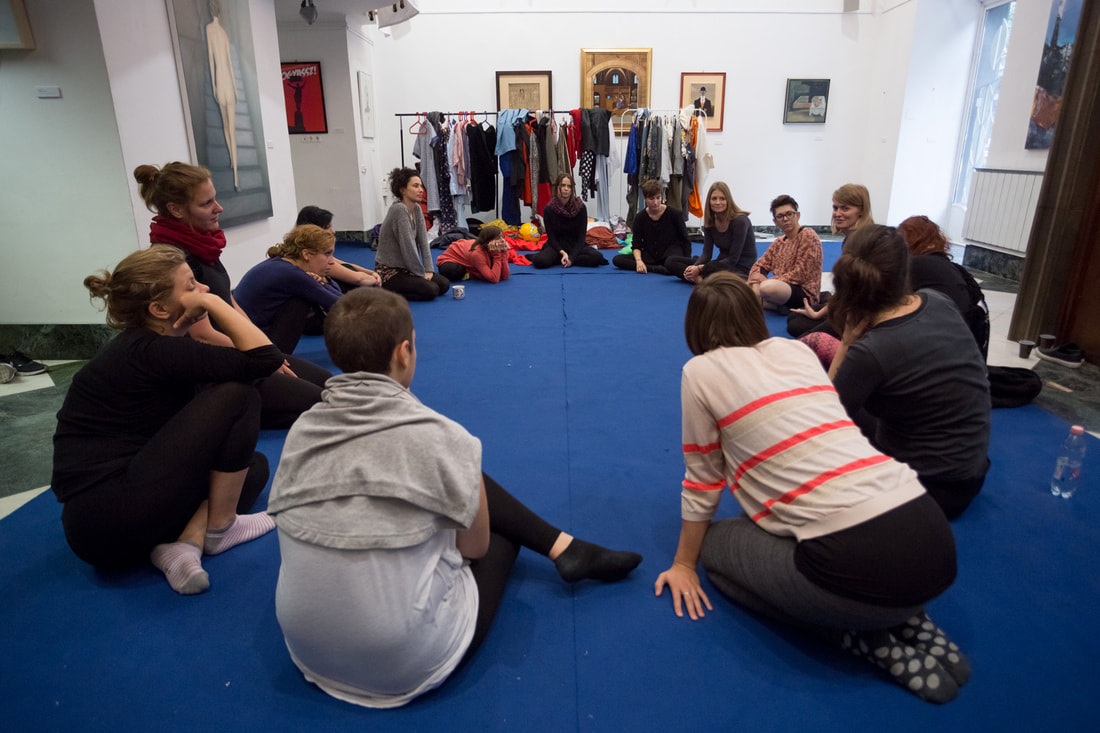
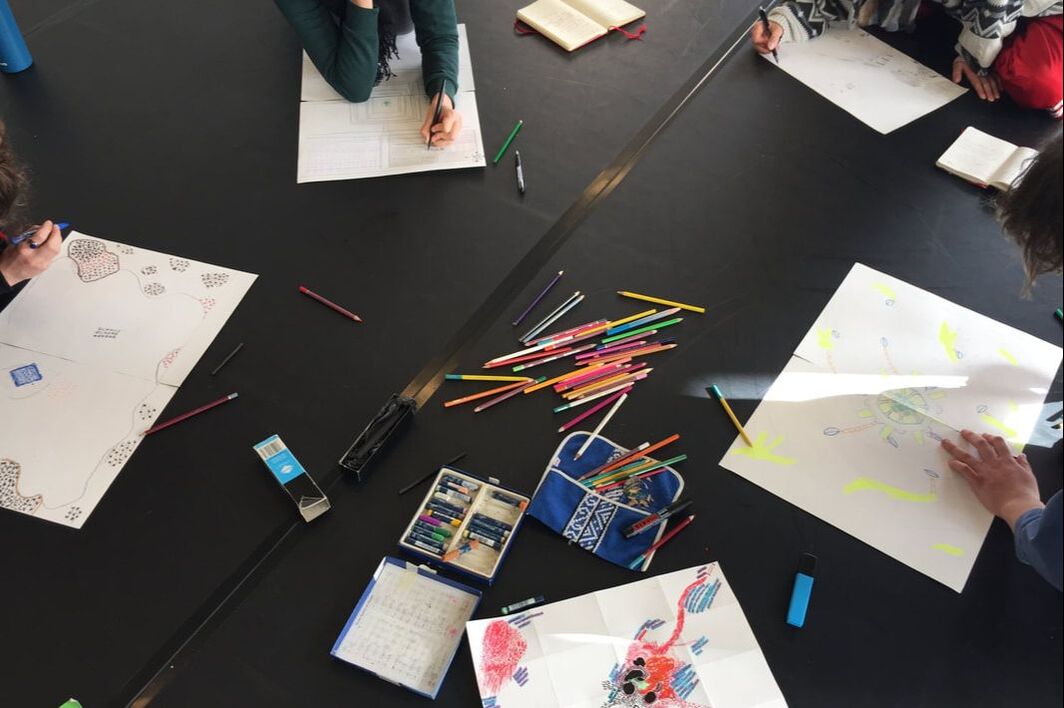
Unlearning uses artistic practice as a way to locate and dismantle these internalized structures. I don’t treat art as a product to be perfected, but as a laboratory where habits, fears, loyalties, and obedience can be seen, tested, and reworked. Through movement, writing, voice, spatial composition, and attention practices, participants encounter their own reflexes — how they hesitate, adapt, perform, please, censor, or disappear — and learn to interrupt them.
This is not symbolic. It is practical.
Unlearning happens through concrete decisions: what you choose to show, how you take space, how you speak, where you stop apologizing, how you tolerate not knowing yet. Art becomes a tool for training autonomy.
For women and gender-marginalized people in particular, this work is urgent. We are often educated into politeness, accommodation, emotional labor, and self-erasure long before we are taught authorship or authority. My methodology, centered on unlearning, creates a space where these patterns can be made visible and undone — not by replacing them with new dogmas, not by building a canonized anti-canon, but by restoring the capacity to choose and to assume one’s choices.
I see art education as a critical practice because it doesn’t just transmit skills, it shapes subjectivities. It trains how we see, how we desire, how we relate, how we obey… or disobey. My work intervenes in that training. It asks: who taught you to be this way? Who benefits from your silence, your modesty, your flexibility, your doubt?
Through my art education, we don’t illustrate emancipation.
We rehearse it."
—Anna Ádám
My methodology is therefore about unlearning.
Unlearning uses artistic practice as a way to locate and dismantle these internalized structures. I don’t treat art as a product to be perfected, but as a laboratory where habits, fears, loyalties, and obedience can be seen, tested, and reworked. Through movement, writing, voice, spatial composition, and attention practices, participants encounter their own reflexes — how they hesitate, adapt, perform, please, censor, or disappear — and learn to interrupt them.
This is not symbolic. It is practical.
Unlearning happens through concrete decisions: what you choose to show, how you take space, how you speak, where you stop apologizing, how you tolerate not knowing yet. Art becomes a tool for training autonomy.
For women and gender-marginalized people in particular, this work is urgent. We are often educated into politeness, accommodation, emotional labor, and self-erasure long before we are taught authorship or authority. My methodology, centered on unlearning, creates a space where these patterns can be made visible and undone — not by replacing them with new dogmas, not by building a canonized anti-canon, but by restoring the capacity to choose and to assume one’s choices.
I see art education as a critical practice because it doesn’t just transmit skills, it shapes subjectivities. It trains how we see, how we desire, how we relate, how we obey… or disobey. My work intervenes in that training. It asks: who taught you to be this way? Who benefits from your silence, your modesty, your flexibility, your doubt?
Through my art education, we don’t illustrate emancipation.
We rehearse it."
—Anna Ádám